The fifteen minute reset
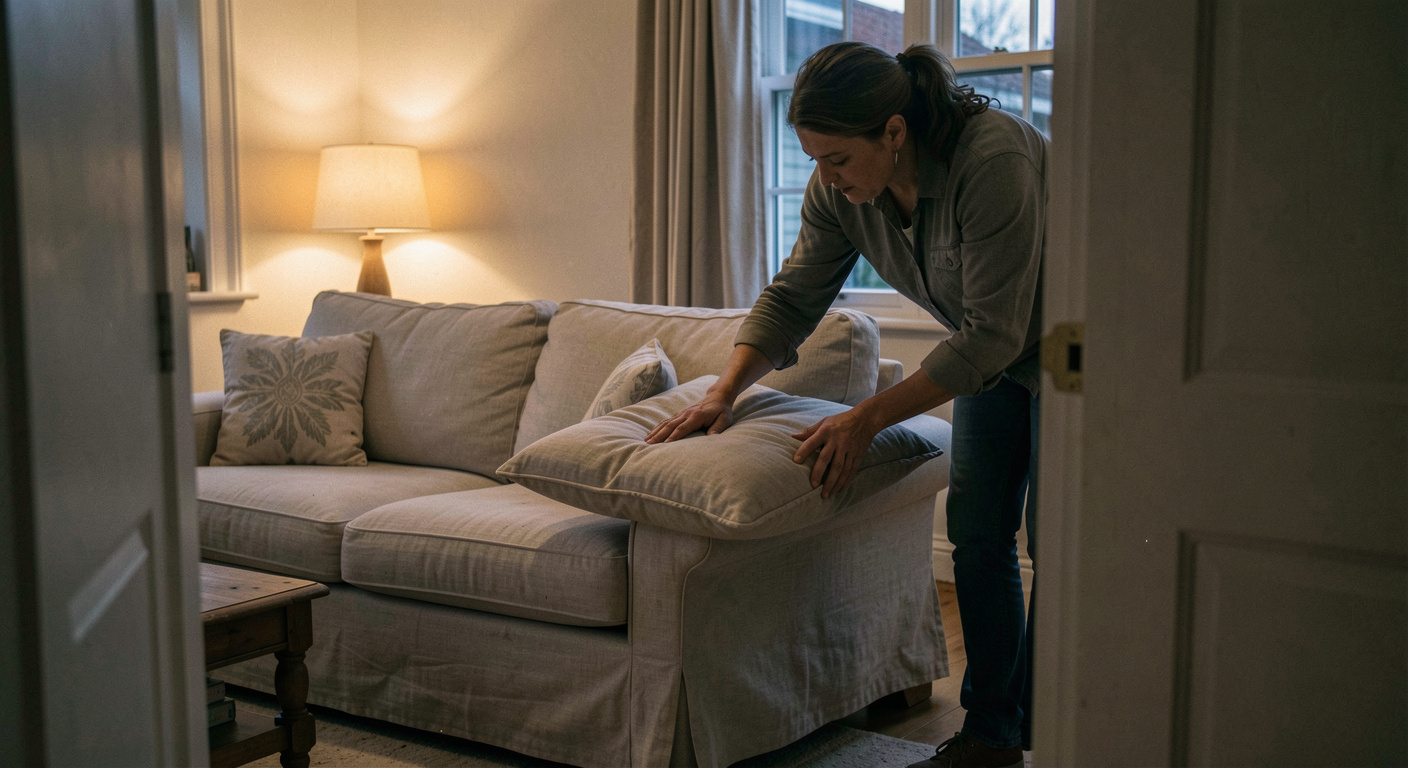
One short pass through the shared rooms before bed does more for a house than an entire Saturday. The order it runs in, what it leaves alone, and why the timer matters more than the standard.
The practice of running a home, written down.
Filed from March 2026
Section
Routines are the part of housekeeping that compounds. A room that is reset every evening never needs rescuing on a Saturday, and a household that looks at the week once on a Sunday spends the rest of it deciding far less. This shelf holds the repeated work: what happens daily, what happens weekly, and what happens at the turn of a season.
Every entry here is written the same way. It says when the routine runs, what it covers, what it deliberately leaves alone, and how it behaves when the week goes badly, because a routine that only survives good weeks is not a routine. Where a habit keeps running into the same obstacle, the entry says so and points to the shelf where the real problem lives, usually storage.
One short pass through the shared rooms before bed does more for a house than an entire Saturday. The order it runs in, what it leaves alone, and why the timer matters more than the standard.
The same amount of time spread differently produces a different house. Short and frequent keeps a place level, long and rare only ever recovers it.
Ten minutes with the calendar on a Sunday removes most of the small emergencies of the week. Which nights nobody will cook, which morning leaves early, what has to be bought before Wednesday.
Stand in a doorway and look only at what sits between knee and shoulder height. That band is what visitors see, what children reach, and where clutter actually accumulates.