Keeping warranties where you will actually find them
A warranty is only worth the minute it takes to find the receipt. One box, one clip, one date written on the front of each manual.
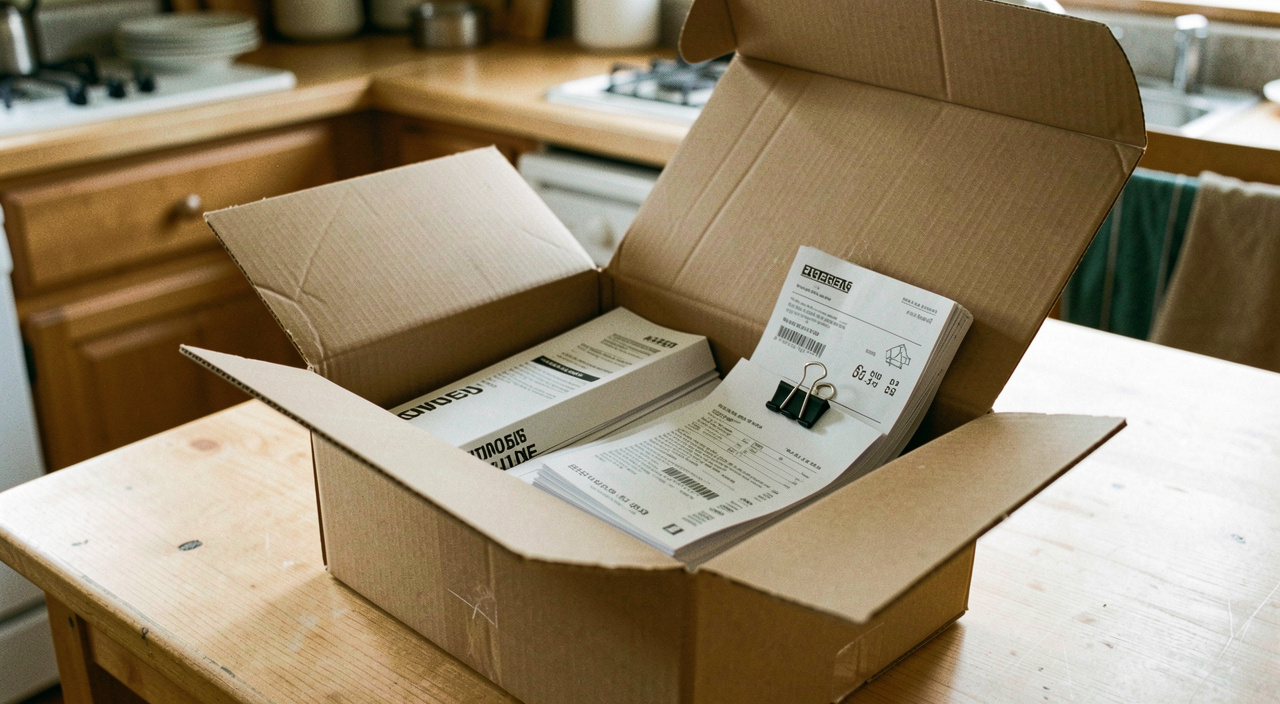
A washing machine fails in its fourth year. The warranty was five years, which everybody remembers, and the receipt is somewhere, which nobody can prove. Without proof of the purchase date the guarantee is a claim rather than an entitlement, and the repair is paid for twice: once in money and once in the hour spent going through a drawer.
The whole solution is one box, one clip and a date written on the front of every manual. It takes an evening to set up and about fifteen minutes a year to keep.
The box
Use one container for the whole household: an A4 box file or a lidded plastic box, kept wherever the appliances are rather than in a study upstairs. Everything about a physical object that was bought lives in it, and nothing else does.
- The manual, with the purchase date, the price and the retailer written in pen on the front cover.
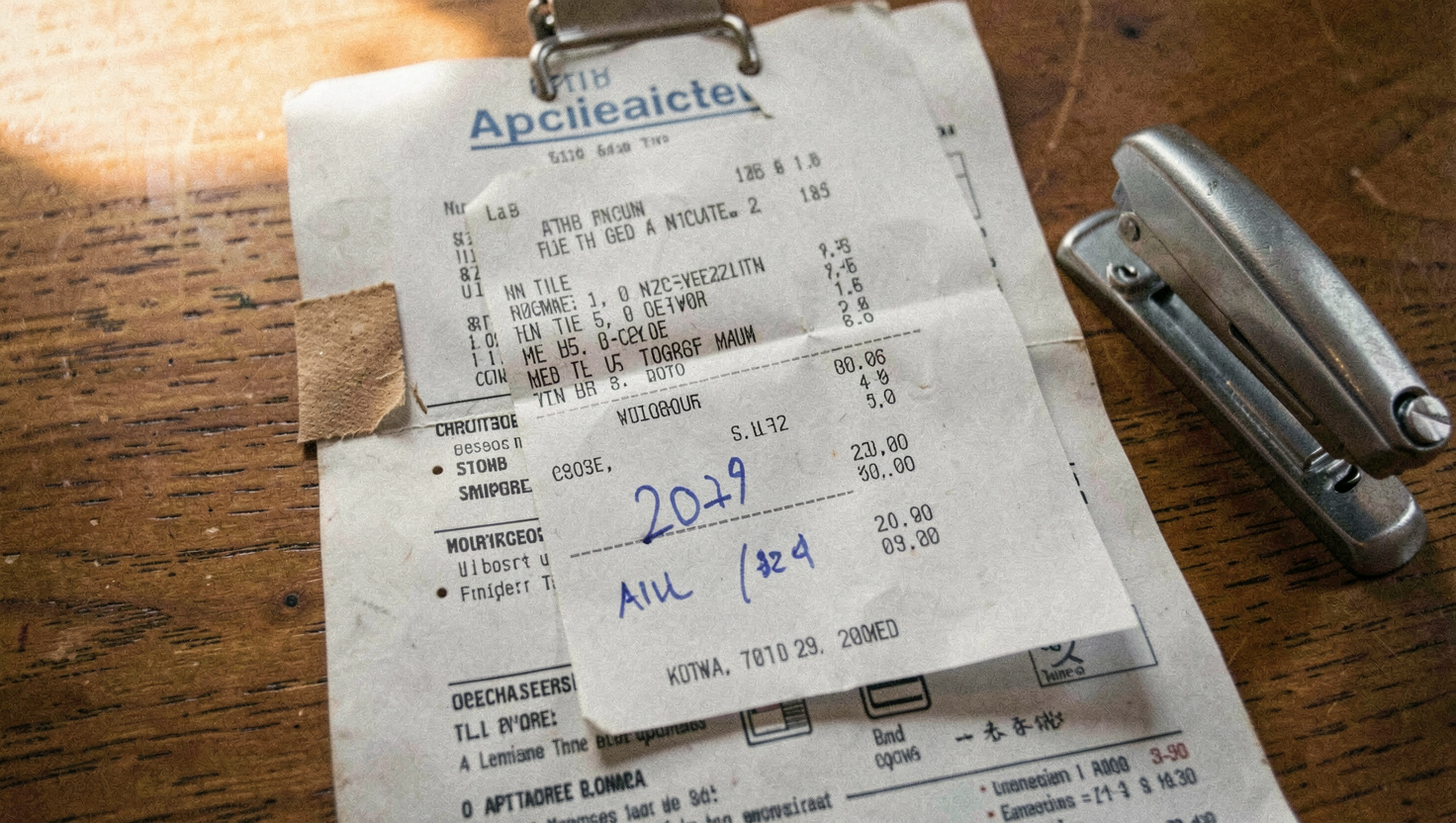
- The receipt or a printed order confirmation, stapled to the front of its manual so the two cannot separate.
- The guarantee or extended warranty document, if one was bought, with the expiry date written on it in the same place every time.
- The service record: any repair, with the date and what was done, on a sheet stapled behind the manual.
Stapling matters more than it sounds. A receipt loose in a box migrates to the bottom within a year, and thermal till receipts fade badly, so photograph or photocopy anything printed on shiny paper the day it arrives. A faded receipt is not evidence.
Writing on the manual
The front cover of a manual is the best filing surface in the house, because it is attached to the only thing that identifies the appliance. Write four lines on it, always in the same order and always in the same corner: date bought, price, where from, guarantee ends.
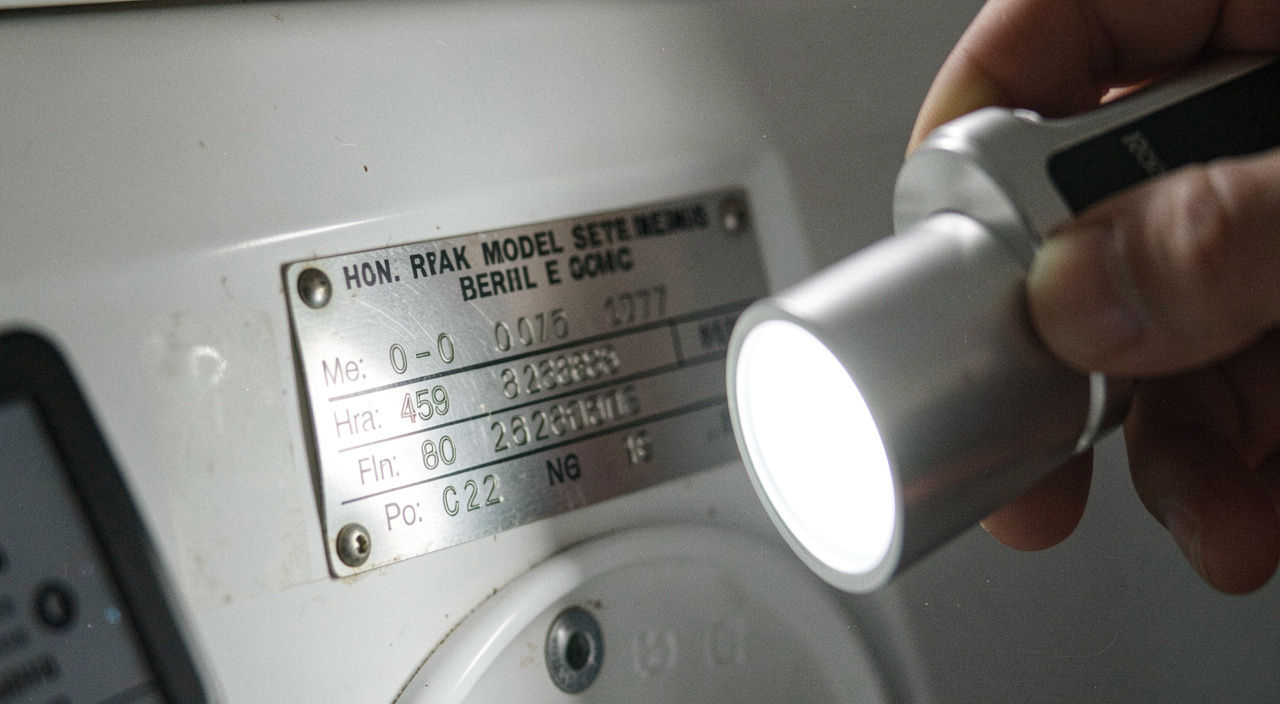
That single habit answers the two questions that ever get asked. Is it still covered, and what exactly is it. The model and serial numbers are on the appliance itself, usually on a plate behind a door, under a lid or on the back, and they are worth copying onto the manual as well while the appliance is new and accessible.
The digital half
Photograph the receipt and the rating plate and keep both in one folder, named for the appliance. Two copies in two forms is not duplication for its own sake: paper survives a dead phone, and a photograph survives a faded receipt and a flood under the sink.
Register the product with the manufacturer when a form is included, particularly for large appliances. Registration is what allows a manufacturer to contact a household about a safety recall, and recalls on white goods are the one category of household post that genuinely matters.
The fifteen minute year
Once a year, take the box to the table and go through it in one pass. Three piles: still owned and in guarantee, still owned and out of guarantee, gone. Anything for an appliance that has left the house leaves with it. Anything out of guarantee keeps only its manual, and only if the manual is genuinely needed, which for a kettle it is not.
While the box is open, note anything approaching the end of its cover. An appliance that fails just after a guarantee expires is a common story, and a five year old machine with three months of cover left is worth a service booking rather than a wait. Put that booking on the maintenance calendar so it happens in the right month.
What the box is not for
It is not for letters, forms, or anything with a deadline attached. Those belong in the Now folder of the paper drawer, which is looked at every week, whereas the box is opened twice a year and should be.
It is not the household inventory either, though the two are neighbours. The box holds the evidence for individual purchases. The list of what the house contains, room by room with makes, models and dates, is a separate document written once and worth having for insurance rather than for repairs, and that is the household inventory, written once.
What to do when something fails
Open the box before opening the appliance. Read the guarantee end date off the front cover of the manual, then find the fault finding page, which on most white goods sits in the last four pages and lists the error codes shown on the display. A fair number of call outs are a blocked filter, a kinked hose or a door catch that is not engaging, and those are named in the manual for exactly this reason.
If the appliance is still covered, call the manufacturer rather than a local engineer, since an independent repair usually ends the guarantee. Have four things in front of you when you call: model, serial, purchase date and retailer. That is the whole reason the four lines were written on the cover, and it turns a fifteen minute phone call into a three minute one.
Whatever happens, write it on the service sheet stapled behind the manual with the date. A machine that has been repaired twice for the same fault is telling you something that no memory of it ever will.
Start with the four largest appliances in the house. If the box only ever contains the washing machine, the fridge, the boiler and the oven, it has already paid for the evening it took, because those are the four failures that cost real money.